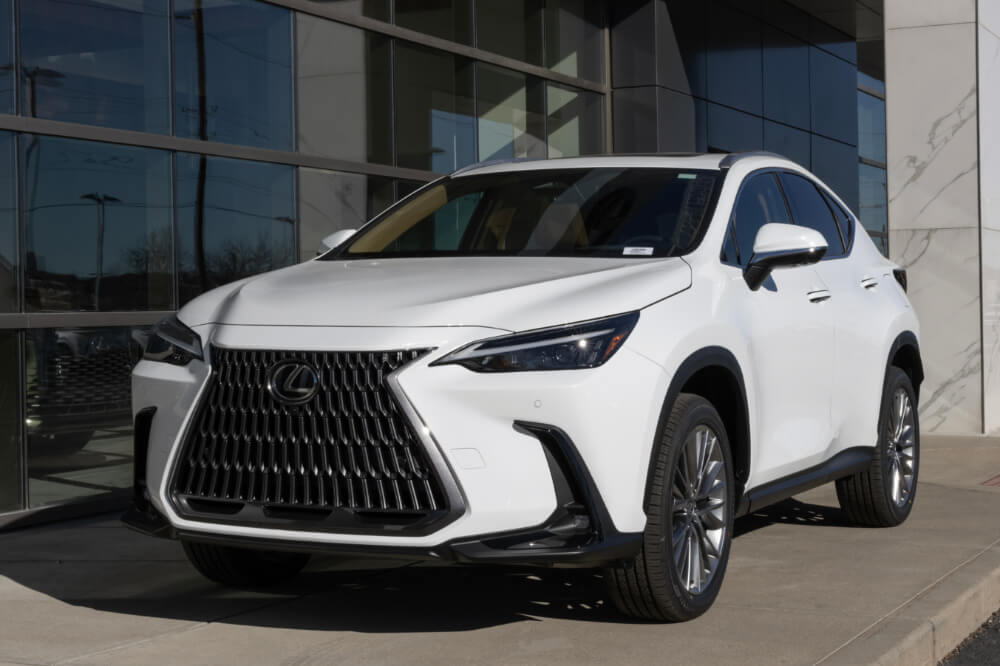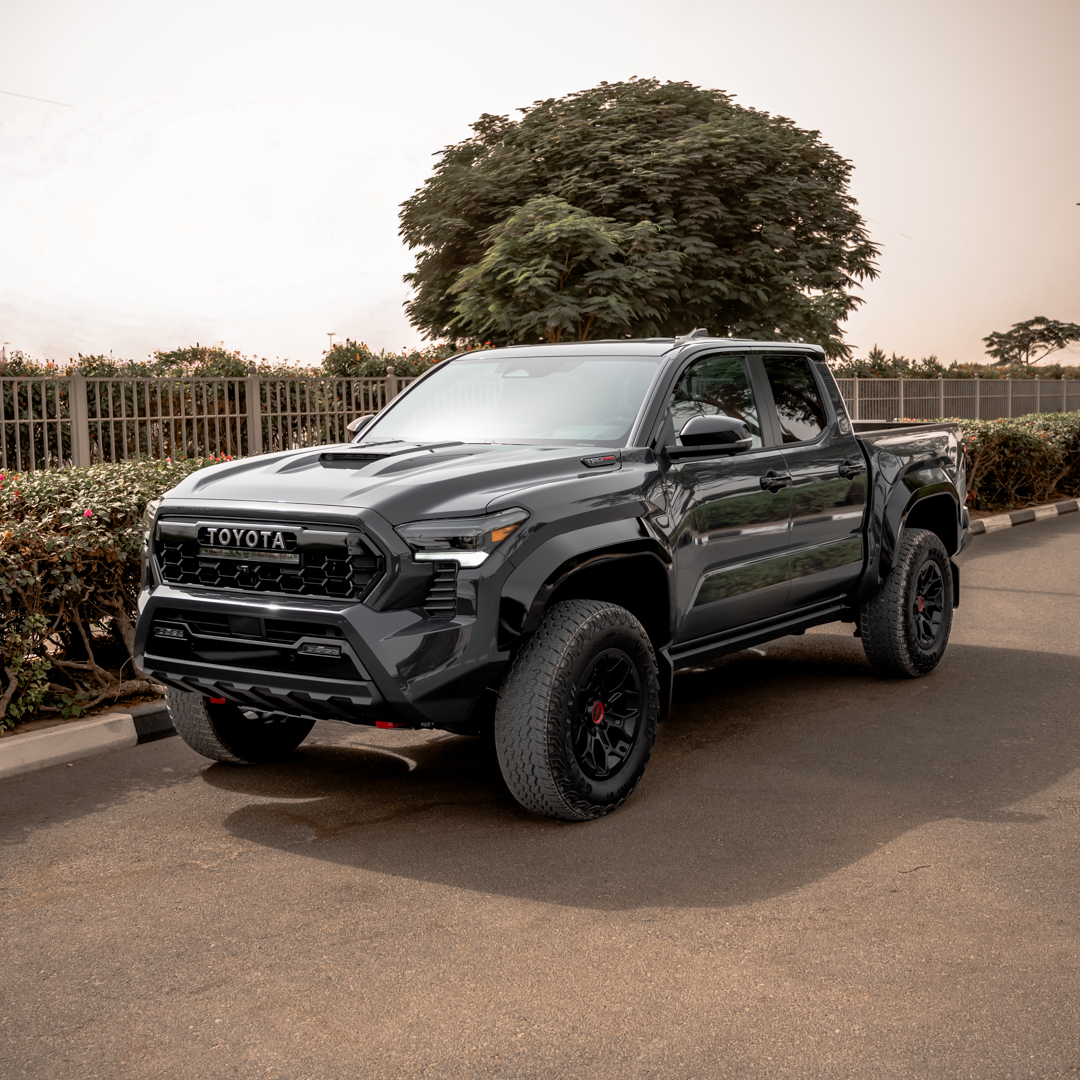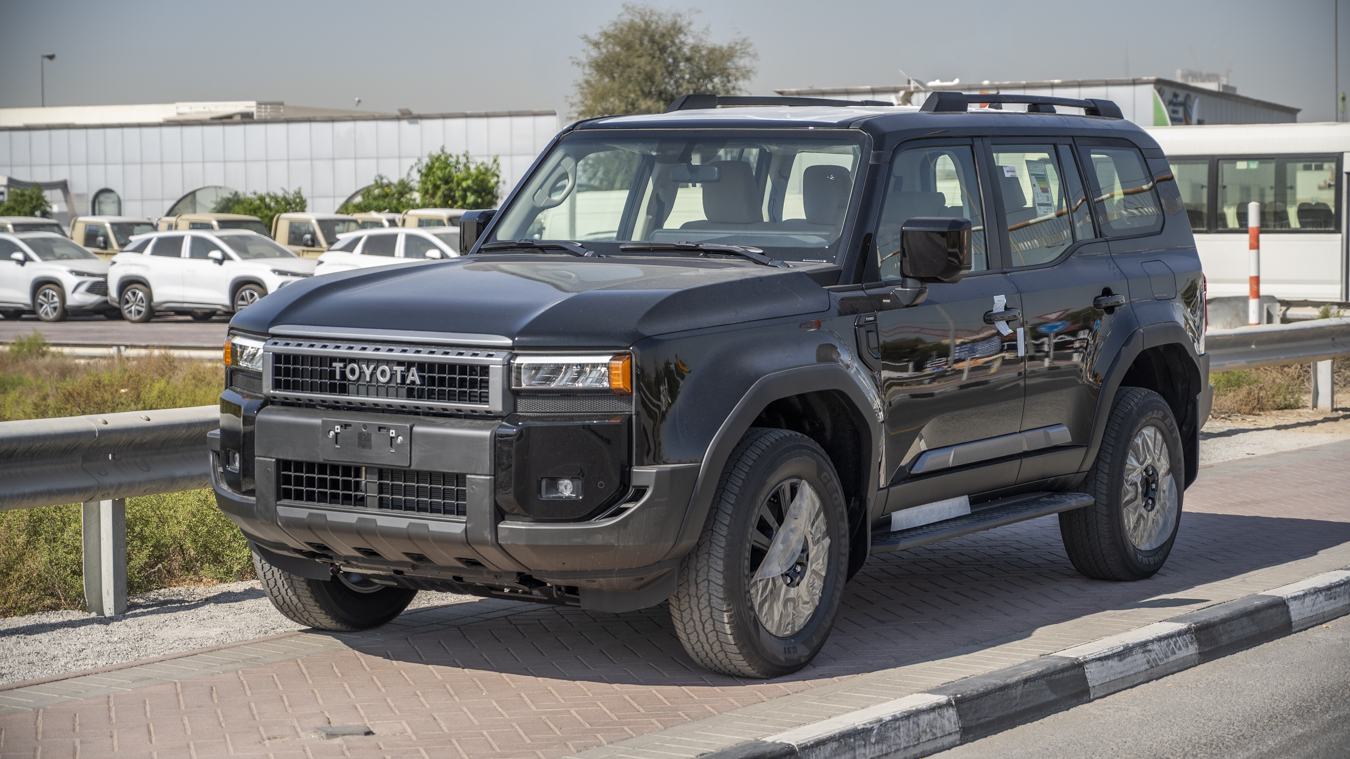
A car can be a luxury vehicle in one country, a family SUV in another, and a hardworking tool somewhere else. The vehicle hasn't changed, but the market has.
As international vehicle trade continues to grow, understanding why the same car can have completely different demand around the world has become increasingly important.
The UAE: Luxury, Technology and Specification
In the UAE, buyers often place strong importance on premium features, powerful performance, advanced technology and high specifications. SUVs, luxury vehicles and hybrid models are particularly relevant to a market where comfort and equipment play an important role.
Dubai's international automotive environment also means that vehicles purchased here can eventually be exported to markets across the world.
Africa: Durability and Practicality
In many African markets, reliability and durability can be major priorities. Long distances, challenging road conditions and the availability of servicing and spare parts can influence vehicle choices.
This helps explain the strong international reputation of models such as the Toyota Land Cruiser and Toyota Hilux, where durability, ground clearance and practicality can be more important than having the latest technology.

Central Asia: Capability and Climate
Central Asian and CIS markets can present very different driving conditions, including cold winters, long distances and varying road surfaces.
Four-wheel drive, ground clearance, engine performance and climate suitability can therefore become important factors. Even different specifications of the same model can have very different appeal in these markets.

Europe: Efficiency and Regulations
European buyers operate within a market where emissions, fuel efficiency and vehicle regulations have a significant influence on purchasing decisions.
The growing presence of hybrid and electric vehicles is also changing the market. At the same time, Chinese manufacturers are expanding their presence, particularly in electrified vehicles, creating new competition and more choices for consumers.

Asia: Technology, Space and Value
Across Asia, preferences vary widely. Urban buyers may prioritize efficiency and compact dimensions, while families may focus on space and practicality.
Technology is also becoming increasingly important, with advanced infotainment, hybrid powertrains and driver-assistance features influencing buying decisions.
Why Dubai Matters to Global Car Exports
Dubai sits at the intersection of several major automotive markets, making it an important hub for international vehicle trade.
For exporters like AutoVision, the key question isn't simply "Is this car popular?"
It is:
"Where is this car most suitable?"
A vehicle with limited demand in one market may have strong potential in another because of differences in climate, roads, regulations, pricing, and lifestyle.
The Future of Global Car Demand
The automotive industry is becoming increasingly global, but car preferences are not becoming identical.
Hybrid technology, electric vehicles, Chinese automotive brands, AI and changing regulations are reshaping the industry. Yet traditional priorities such as reliability, practicality, performance, and value remain important.
Ultimately, there is no single car that is perfect for every market.
The right vehicle is the one that fits the needs of the market it is going to.
That is what makes the global automotive export market so dynamic and why Dubai continues to play an important role in connecting vehicles with buyers around the world.